


Kanye West Suspect in LAPD Battery Report ... Guy Allegedly Grabbed Bianca
update
10:16 PM PT -- A rep for Ye tells TMZ ... "'Grabbed' is grossly inadequate as a description of what happened. Bianca was physically assaulted."
They add, "The assailant didn't merely collide into her. He put his hands under her dress, directly on her body, he grabbed her waist, he spun her around, and then he blew her kisses. She was battered and sexually assaulted."
Kanye West might have new legal trouble on his hands -- he's the named suspect in a battery report, and cops are now looking into the claims against him ... TMZ has learned.
Law enforcement sources tell us ... police are investigating Ye after cops say they were told he punched a man in the face late Tuesday night -- but the guy he struck had allegedly pushed or grabbed West's wife, Bianca Censori.
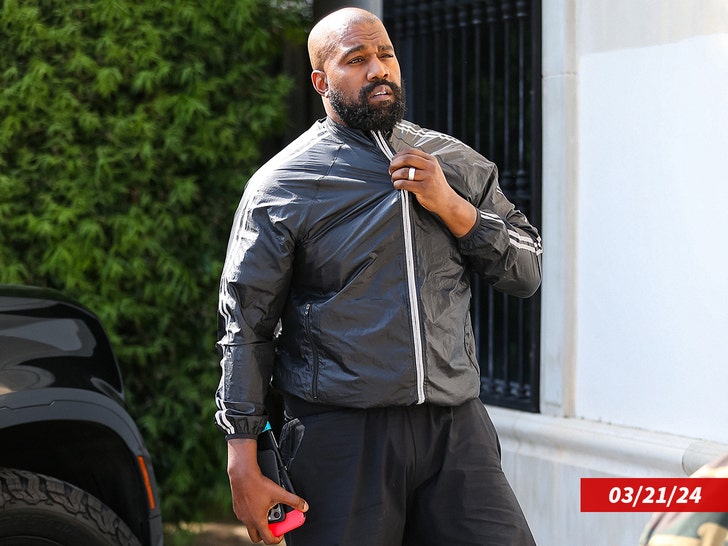
We're told Kanye and Bianca took off after the alleged altercation ... and, the alleged victim did not require treatment for injuries.