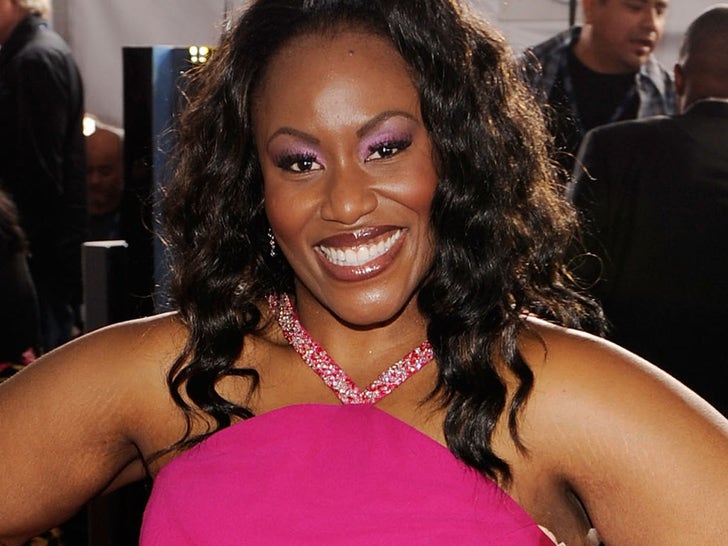




Diane's behavior was not her fault, for she was in the grips of a serious and progressive illness that not only poisoned her body, but made it impossible for her mind to make rational choices.

Jennifer Ginsberg: In the aftermath of the horrific tragedy that resulted in Diane Schuler crashing her car into another vehicle head-on and killing eight people (including herself), there are many questions swirling about the character of the woman who was behind the wheel, and the people in her life who proclaim that she didn't have a problem with drugs and alcohol. What kind of mother would drive drunk and stoned with her own children in her car and risk their lives, as well as the lives of her nieces and other drivers on the road? How is it possible that Diane's husband and brother could deny that she was a substance abuser in light of the horror that unfolded while she was under the influence of alcohol and drugs?
While the magnitude of this tragedy is unique, the familial denial is not. As the former clinical coordinator of a drug and alcohol treatment program, I frequently encountered people closest to the alcoholic or addict who were unable to acknowledge the gravity of their loved one's disorder. There are many reasons why family members deny the alcoholic's problems, but commonly it is due to a deep sense of shame over the alcoholic's behavior, or to maintain the family's reputation and project the illusion of a "perfect family."
With the denial comes enabling; an enabler is a person who subconsciously supports the alcoholic by denying that the drinking problem exists, and helping the alcoholic to get out of the scrapes caused by his drinking or using. The enabler makes excuses for the alcoholic, and thus allows the alcoholic to continue her destructive pattern. Without question, Daniel Schuler enabled his wife's alcoholism and drug addiction. There is no other explanation for his vehement and pathological denial of her drinking, and his tolerating her driving with his children in her car while she was under the influence.
Now comes the question of the morality of Diane; how could this woman have behaved in such a reckless and egregious manner? It would be simple to write her off as an amoral sociopath -- a woman who only cared about gratifying her own immediate needs, and who was incapable of feeling empathy for others. But for alcoholics and addicts, that explanation lacks the depth of understanding of the malady and is not sufficient enough.
Alcoholism and addiction are illnesses of the body, mind, and spirit. The effect produced by these substances is a manifestation of an allergy; this allergy is evidenced by the fact that once the alcoholic or addict begins drinking or using, they are unable to stop. Furthermore, those who become alcoholic or addicted lose the power of choice when it comes to drinking or using. These types can never safely use alcohol in any form at all, and it seems undeniable that Diane Schuler was in this category.
People like Diane drink and use because they like the effect produced by alcohol and drugs. They become physically and psychologically addicted to these substances. The sensation is so seductive that while they can admit it is harmful, they learn to rationalize their drinking and using. Once they are under the influence, all bets are off. Their actions and behavior are now dictated by the cocktail of substances consumed, and they are powerless to change unless they get sober. An illness of this sort affects others in a way unlike any other human sickness. If a person has cancer, all feel sorry for her, and no one is angry or takes it personally. But alcoholism and addiction are illnesses that negatively impact everyone whose lives touch the sufferer's -- which is blatantly obvious in this tragedy.
People who knew Diane described her as a loving and devoted mother, and many have questioned the incongruence of how this woman who truly loved her children could behave so appallingly. It is my belief that it is entirely possible for a woman to both love her children and behave recklessly while under the influence of drugs and/or alcohol. Being an alcoholic and an addict did not make Diane Schuler a bad mother who was incapable of being "good"; rather, it made her a sick woman who needed to get well.
I will go even further to say that her behavior while under the influence was not her fault, for she was in the grips of a serious and progressive illness that not only poisoned her body, but made it impossible for her mind to make rational choices. But she was indeed responsible for the tragedy that ensued, as are the people in her life who enabled her illness to progress to this shocking level.
![]() |
Jennifer Ginsberg is a Los Angeles mother, writer, and addiction specialist with over 15 years of experience in the fields of alcoholism, addiction, and recovery. After receiving her MSW from the USC School Of Social Work and MAJCS from Hebrew Union College, Jennifer served as the clinical director of a 120 bed drug and alcohol treatment facility. She also co-developed an addiction prevention program for Jewish youth, which has been implemented in synagogues nationally. Jennifer now works privately with people who are impacted by the devastating effects of drugs and alcohol and writes about all topics related to motherhood, addiction, and women in politics. Read more about her life at angstmom.com |
64 comments so far | Post a comment now >>
| ||||||||||||
|
advertisement
|
||||||||||||
Win a $5000 Hershey's Diamond Pendant!
Enter Here |
||||||||||||
![]() |
||||||||||||


Comment Page: << 1 2 3 4 >>