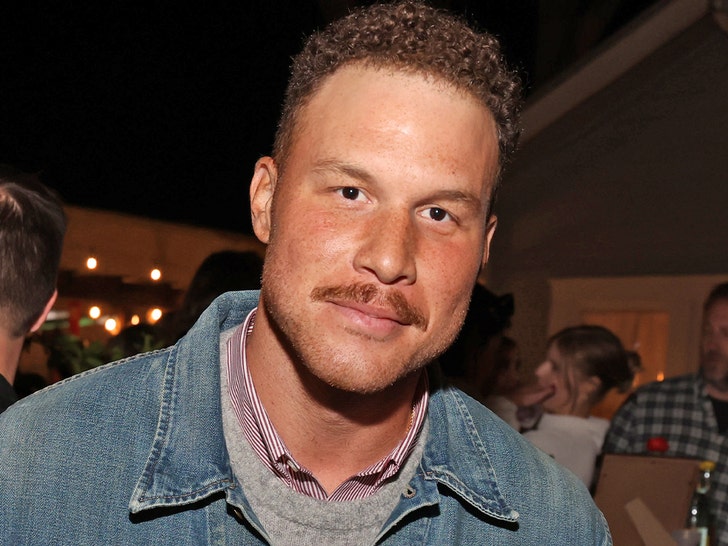
A woman who accused Trevor Bauer of sexual assault has just been hit with a criminal charge ... after she allegedly defrauded the former Cy Young winner into paying her for an abortion he believes never happened.
The charge -- fraudulent schemes and artifices -- was formally filed against Darcy Esemonu in Arizona on Monday ... weeks after a Maricopa County grand jury indicted her on the felony count.
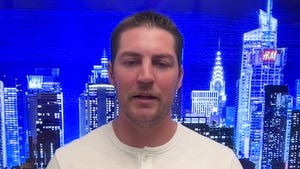
According to a video statement Bauer posted on his YouTube page Tuesday, it stems from allegations Esemonu made against the former Dodgers star in a 2023 lawsuit.
The woman alleged in her papers that Bauer raped her during a 2020 encounter and got her pregnant. In a countersuit, Bauer denied any wrongdoing ... but he did say he had consensual sex with her one time in Dec. 2020, when the condom he had been using broke.
He claimed in his countersuit that after their hookup, Esemonu told him she was pregnant and wanted more than $1 million to terminate it. Bauer claimed he would support her decision ... before he gave her $8,761 for the cost she eventually said it took to end the alleged pregnancy.
However, in his video statement Tuesday, Bauer said, "She never had an abortion, because she was never even pregnant." He added that that was all "corroborated by her own medical records."
Bauer said authorities were made aware of all of this after they initiated an investigation into her sexual assault allegations against him.
Court records show Esemonu was also charged with fraud due to her interactions with a man named Marco Bresciani. In addition, the records show she was charged with felony theft by extortion for wrongdoing against Bresciani as well.
"Her m.o. is clear," Bauer said of the newly filed charges. "Lie to men to get their money. Extort them if she must. When they refuse to pay, stop paying, or stop giving her what she wants, go to the police, accuse them of sexual assault, and file a civil suit against them to retaliate."
Bauer stated he's hopeful he can now get another crack at pitching in the MLB again soon.
"What else do I have to do to prove that this entire situation has been a massive lie?" he said. "This is insane. At what point do I get to go back to work and continue earning a living?"